Study notes
Read the chapter, then drill it.
Each lesson maps to questions on the test. Mark a lesson when it feels solid — that tracks in your progress.
Earth's interior · tap a layer
Crust
5–70 km
Thin, rocky outer layer. Continental crust is thicker and less dense; oceanic crust is thinner and denser.
Systems
UnreadEarth's Spheres
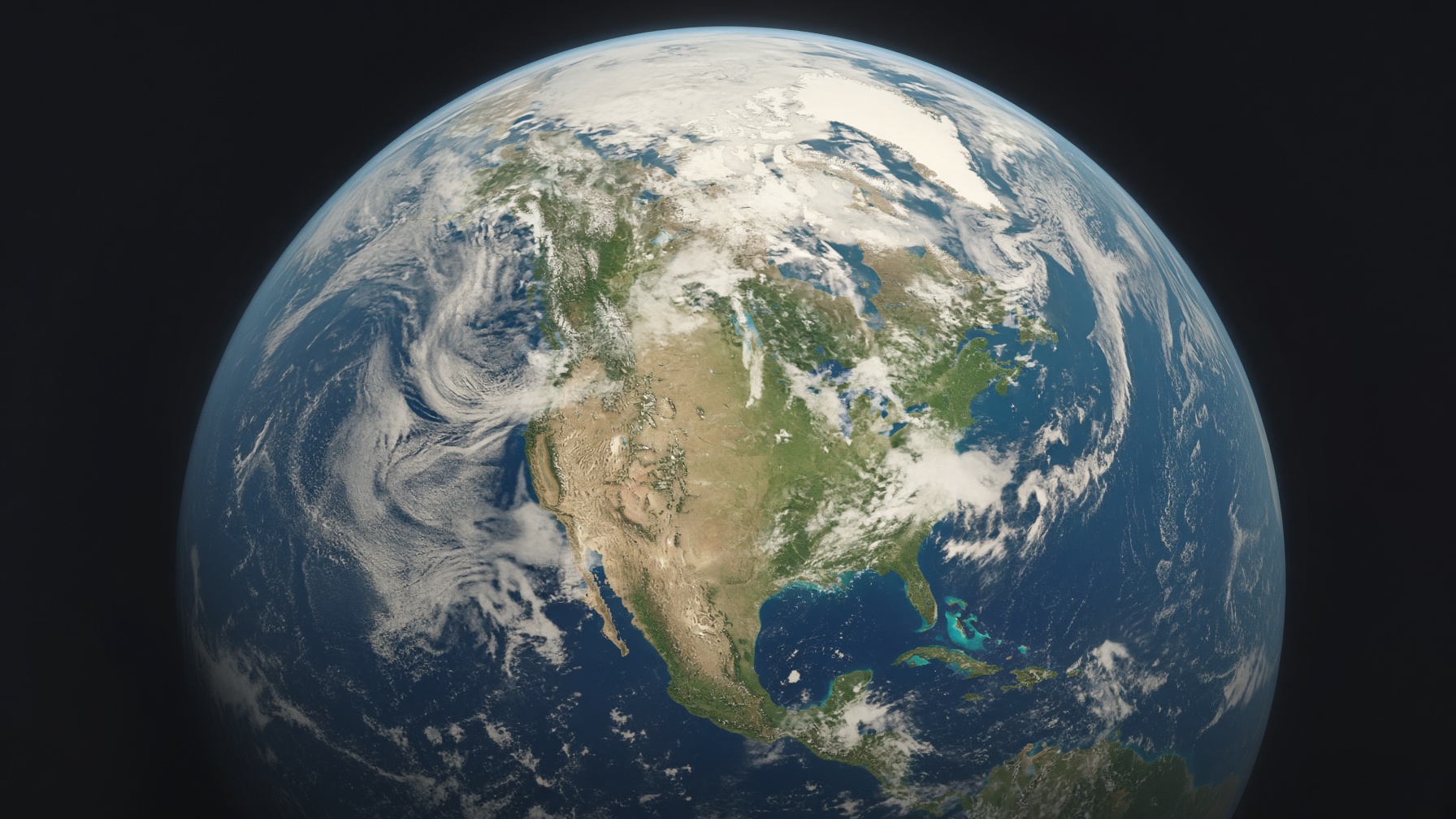
Earth works as a set of overlapping systems: rock, liquid water, ice, air, and life. Most matching items on the test live here.
Open lesson
Forces
UnreadShape, Density & Gravity
Earth is a sphere flattened a little at the poles. Gravity is the force that every object exerts on every other object — and denser objects pull harder.
Open lesson
Layers
UnreadEarth's Interior
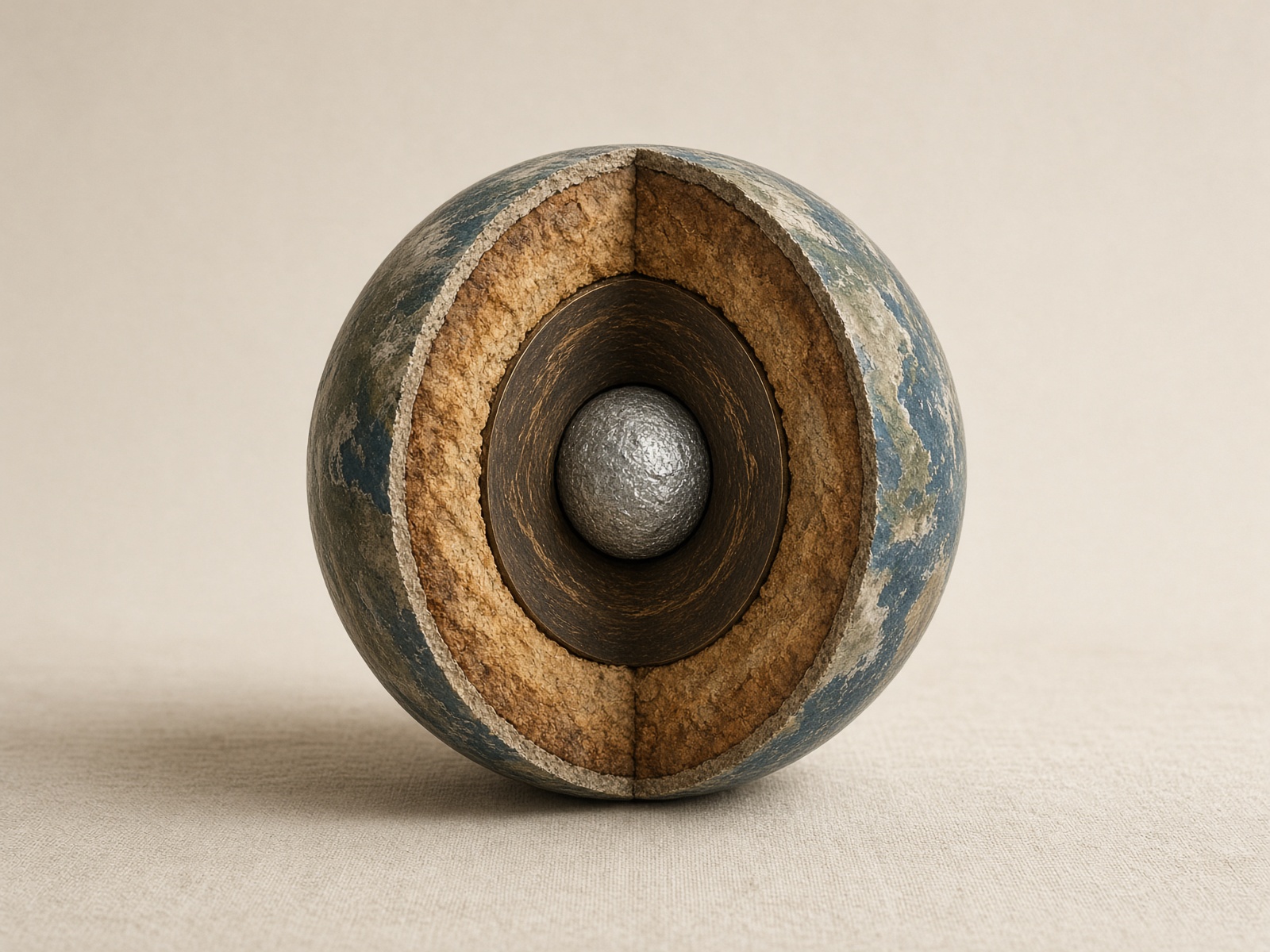
A thin crust, a thick mantle, a liquid outer core, and a solid inner core. Earthquake waves are how we know this without digging there.
Open lesson
Shells
UnreadLithosphere & Asthenosphere
The lithosphere is the rigid lid. The asthenosphere is the plastic layer of rocks it rides on. These two names show up as both matching and fill-in.
Open lesson
Surface
UnreadLandforms, Topography & Relief
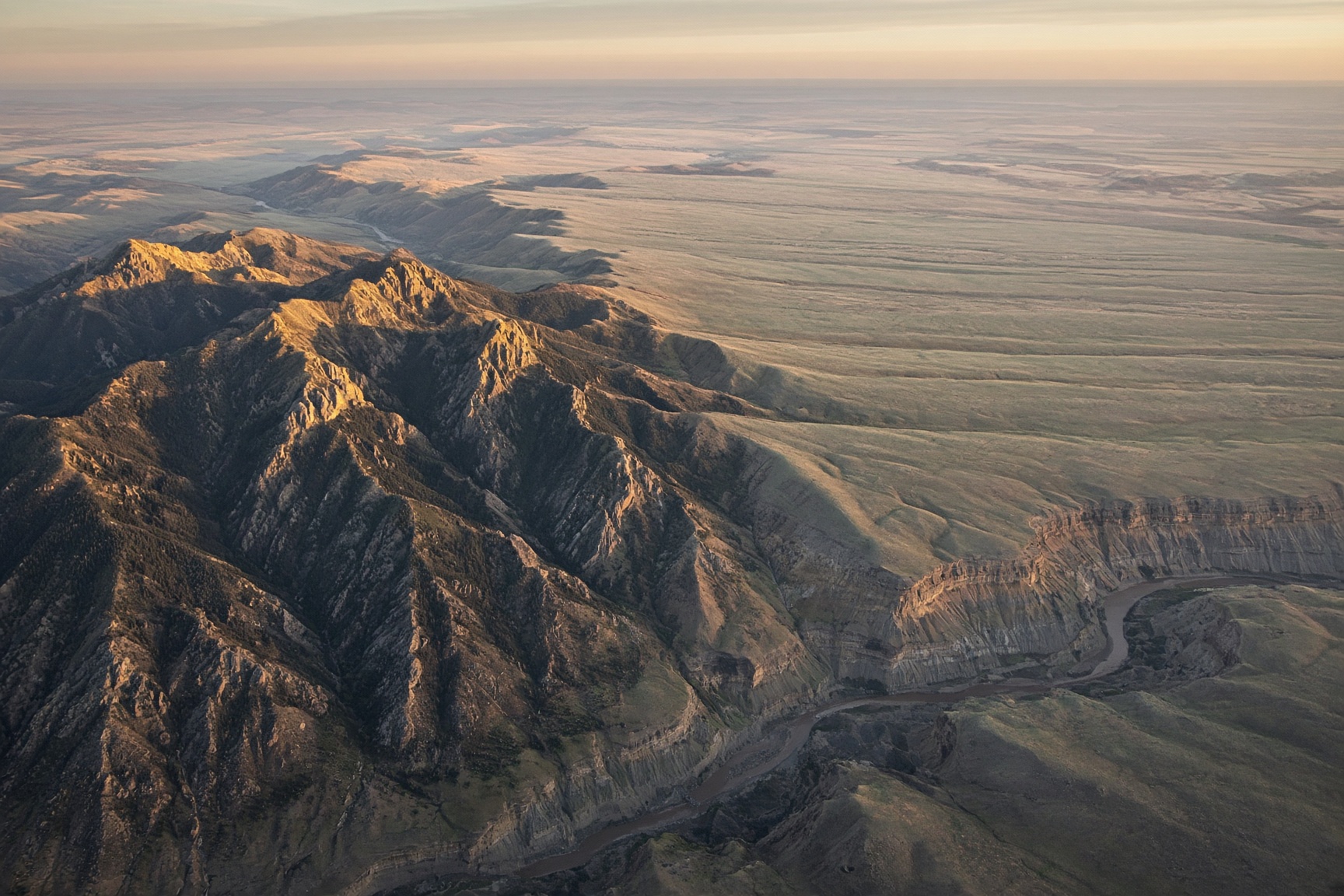
Landforms are the features you can name. Topography is the shape of an area. Relief is how much the elevation changes. Iowa is plains.
Open lesson
Shield
UnreadThe Magnetosphere
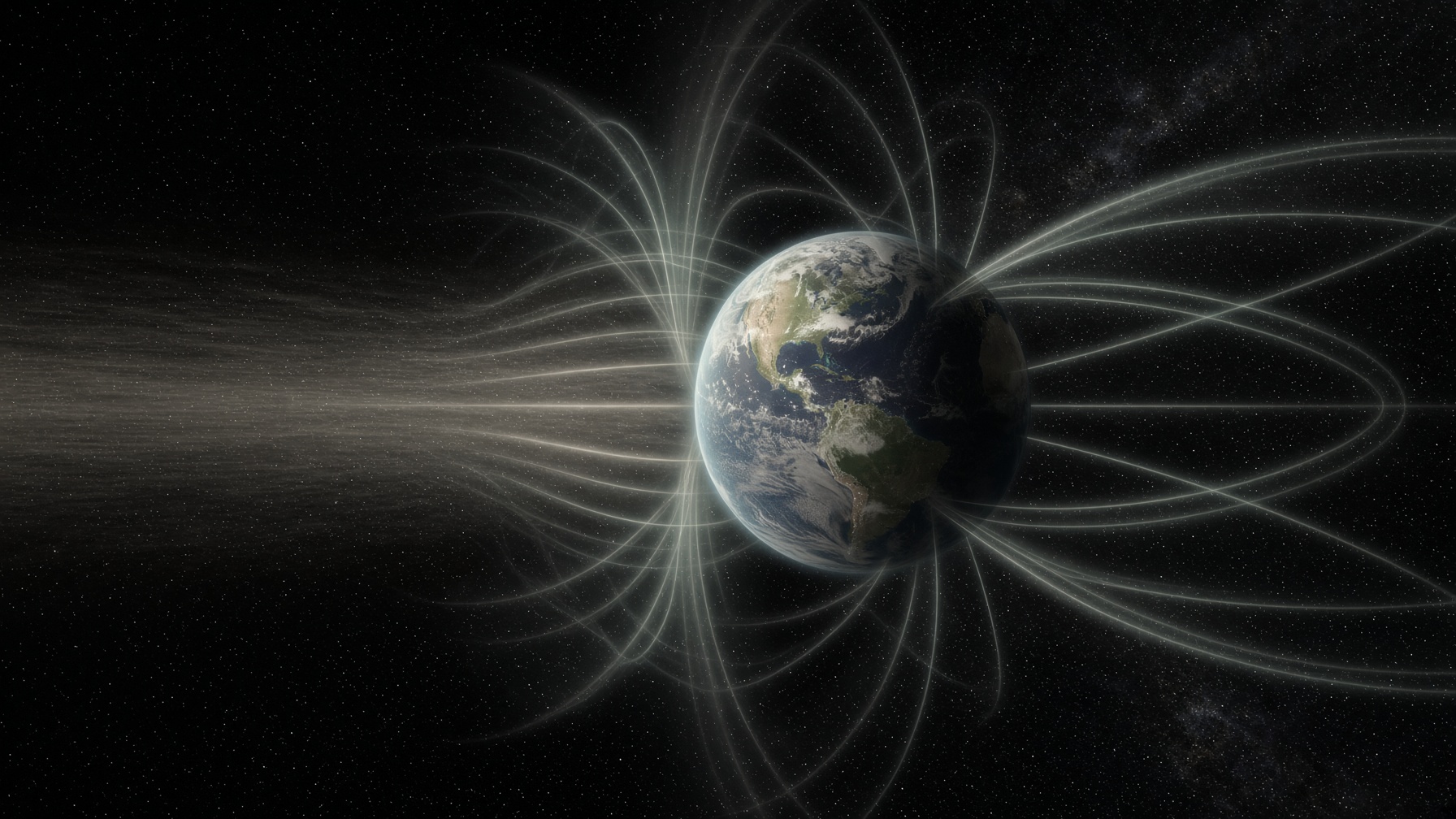
Earth's magnetic field makes a bubble around the planet. The test asks for two ways that bubble protects us.
Open lesson
Origin
Unread4.6 Billion Years
Earth, the Sun, and the Moon formed about 4.6 billion years ago, along with the rest of the solar system.
Open lesson